
[ NES ]
Sell your NES games for cash.
It launched pretending not to be a video game console, then sold 61 million units anyway.
[ FEATURED TITLES ]
Most Iconic NES Games
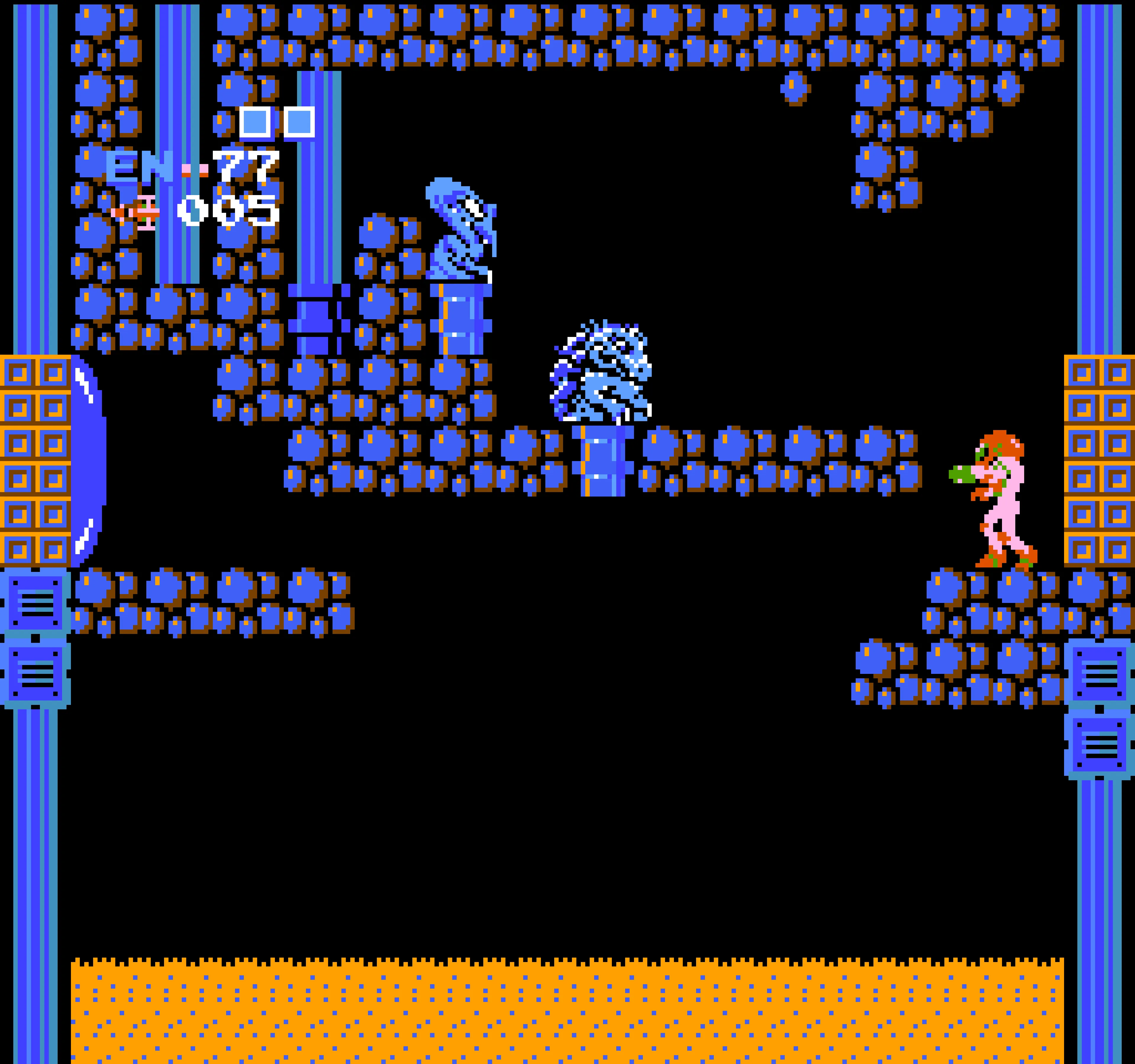
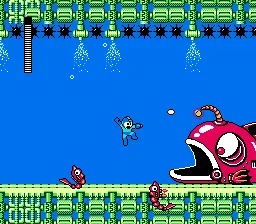
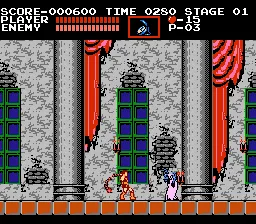
- Punch-Out!!
- Final Fantasy
- Contra
- Kirby’s Adventure
- Double Dragon
- Teenage Mutant Ninja Turtles
- Tetris
- Duck Hunt
- Ninja Gaiden
Have these or other NES titles? See what they’re worth on the price list →
Not sure what condition counts as "working" or "CIB"? Check the condition guide →
[ SYSTEM FILE ]
The NES, briefly.
Nintendo’s first home console launched in Japan as the Family Computer (Famicom) in July 1983, then test-marketed in New York City on October 18, 1985, with seventeen launch games (including pack-ins Duck Hunt and Gyromite) and roughly 100,000 units manufactured for the launch. Retailers initially refused to carry it outright: the 1983 crash had wiped out Atari, Mattel, and Coleco, and nobody wanted another game machine on the shelf. Nintendo of America’s Minoru Arakawa got around that by offering stores a no-risk consignment deal: Nintendo would supply and stock the product, and retailers only paid for what actually sold. Nintendo also called the machine an “Entertainment System” instead of a video game console, gave it a front-loading cartridge slot styled to look like a VCR, and leaned on R.O.B. the robot and a light gun to make the pitch about toys and accessories, not games.
The gamble barely worked at first: Nintendo sold only about 50,000 units that 1985 holiday season, half of what it had made, and Super Mario Bros. wasn’t even ready yet for the launch lineup. But it was enough to expand into Los Angeles, then Chicago, then San Francisco through early 1986, and by that November the NES went fully national with Mario leading the charge. Metroid, Mega Man 2, Punch-Out!!, and Tetris built out a library that eventually topped 500 licensed titles in the US alone, and the system’s lockout chip established the third-party licensing model the industry still runs on.
Combined with Famicom sales in Japan, the system sold roughly 61.91 million units worldwide before Nintendo moved on to the Super NES. Forty years on, that’s a lot of cartridges still sitting in closets, and a lot of variance in what they’re worth. Common titles are easy to find but often yellowed or sun-faded; the games that actually move the needle on resale are the ones that didn’t print in the same volume, plus anything still in its original box. Pin connectors corrode with age too, so a cart that looks fine can still need a contact clean before it’ll boot.
[ HOW SELLING WORKS ]
Same process, the short version.
-
Pull the list
Your prices are already on it. Download the sheet.
-
Count your stack
Match what you’ve got against the sheet.
-
Mail it in
Email the sheet to confirm, then ship the box. Paid within 2 business days of receipt and confirmation.
Whatnot 5.0 ★ · 7,500+ reviews · eBay Top Rated Seller · 99.9% positive
[ MORE CHANNELS ]